- The WOLF Sports Newsletter
- Posts
- The Misunderstood Truth About Betting Odds
The Misunderstood Truth About Betting Odds
Issue #40 of The WOLF Sports Newsletter


WOLF Sports & Bob Digital
April 24, 2025
Bob Digital (@BobbyDigital2 on X) is back again this week, and it's a pleasure to continue guiding you through the betting space with Wolf Sports, as I’ve done on many recent Wolf Sports Twitter Spaces specializing in college sports.
Lets get into it!
Sports Betting Value Myth
With the baseball season beginning, you’re seeing many people on Twitter shift their focus to the grind that is Major League Baseball, giving out picks daily.
Every year, you’ll hear fellow betting analysts, bettors, and touts say:
“I’m not giving out a baseball pick with worse odds than -150/-160, as there isn’t any value.”
This is a very common misconception in betting—that “value” can only go one way. Thinking like this is outright wrong.
All of betting is math and probabilities.
The “American” odds we use here in the U.S. simply convert to percentages to tell you how likely an event is to happen.
A “bet” occurs when you believe that percentage is off—one way or another. This applies across all sports.

Here are some examples:
When you see that Rory McIlroy is +650 to win the Masters, that implies a 13% probability.
If you think he has a 16% chance to win, then you should bet that price.
When the Philadelphia Eagles are -4.5 (-110), that implies a 52.4% chance they cover the spread.
If you believe their true cover rate is higher—say 55%—it’s a bet.
On the flip side, if you think Washington is more likely to cover the +4.5 more than 52.4% of the time, you bet that side.
If you believe the true probability is closer to 50/50, you should pass—there’s no value or edge.
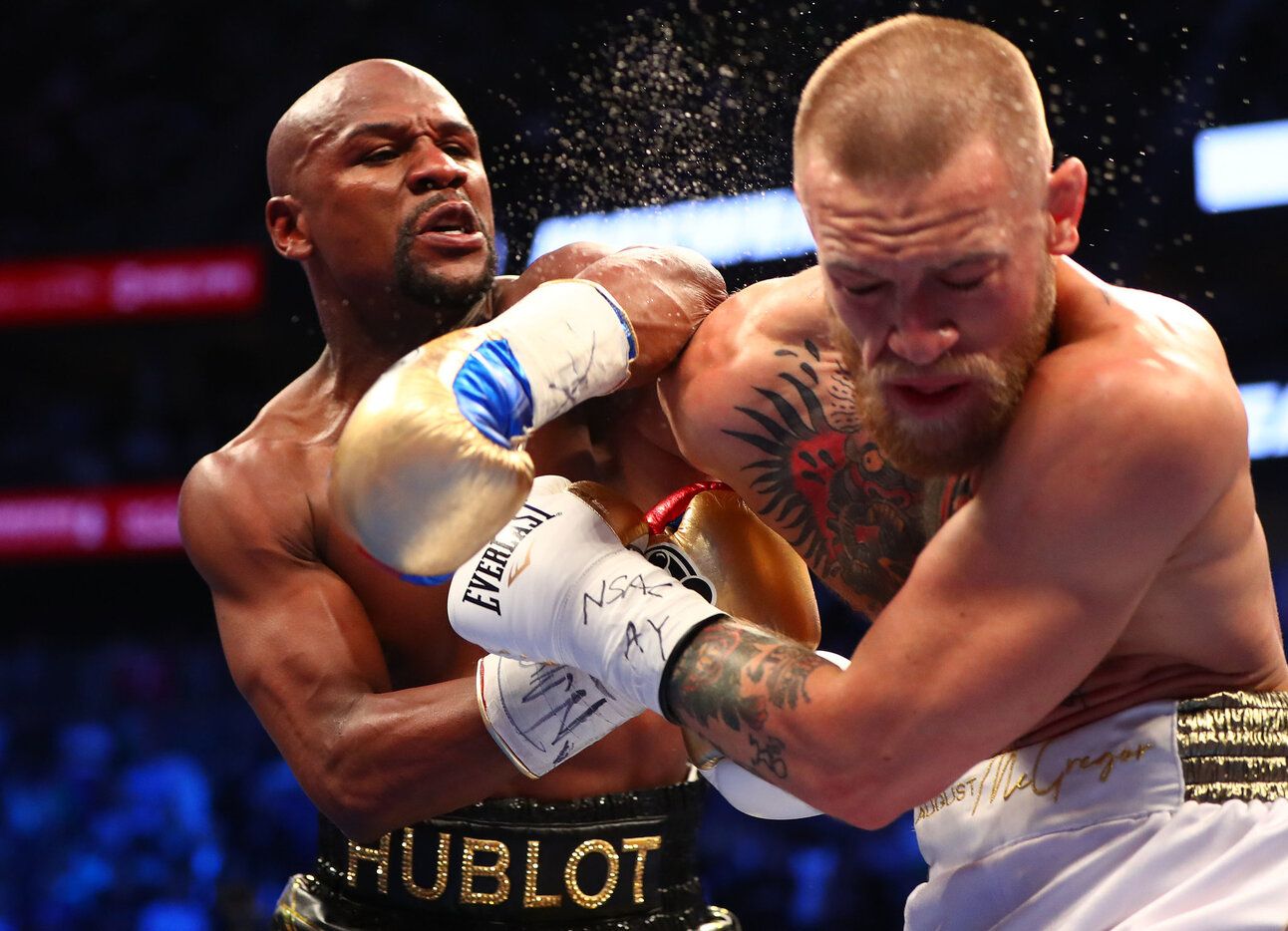
The Mayweather-McGregor Example
One of the more famous examples of significant “value” being at a large negative price was the 2017 Conor McGregor vs. Floyd Mayweather boxing match.
Many analysts and experts modeled out that, due to his boxing prowess, Mayweather had over a 95% chance to win.
The market price was around -500 (an 83% implied probability), which meant there was a 10%+ edge—something that doesn’t typically happen in events of that magnitude, especially with such robust betting limits.
Because of this, Floyd was heavily bet on by professional bettors who recognized the opportunity—despite laying $500 to win $100.
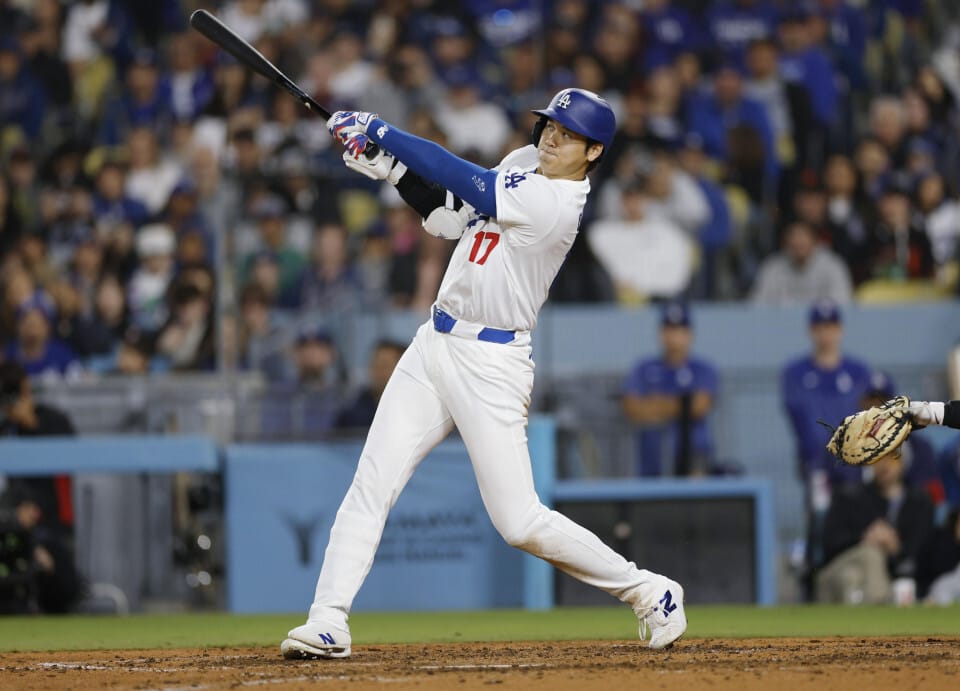
Now Onto Baseball
But, as mentioned, this applies to any moneyline across all sports.
A -150 moneyline converts to a 60% win probability
A +150 moneyline implies a 40% win probability
If the Dodgers have their ace on the mound going up against the worst pitcher on the White Sox, and the line is -155, but you think the Dodgers have a 65% chance to win (which implies -185), that gives you a 5% edge.
That’s significant—and you should bet it every time. Why wouldn’t you?
If a different market had a +185 line (35% implied probability), and you believe the fair price is +150 (40%), would you bet that?
Ideally, both answers should be yes. An edge is an edge.
Final Word
Value exists on both sides—plus and minus odds.
Choosing to ignore one side is ignoring a valuable tool in your betting toolbox.
Make sure you follow @WOLF_Sportz on Twitter for the latest updates on our weekly Twitter Spaces schedule, and be sure to JOIN the conversation when we go live!